The Next 250 Years: Belonging Is Community Health
As our nation marks 250 years, we're doing more than celebrating a birthday. Milestones like this invite us to reflect—not only on where we've been, but on who we're becoming. Every generation inherits a country it didn't build. Every generation also has the opportunity to shape what comes next.
I've found myself returning to a recurring theme voiced by local nonprofit partners and at regional and national convenings I’ve attended this year: belonging is the foundation of healthy, thriving communities.
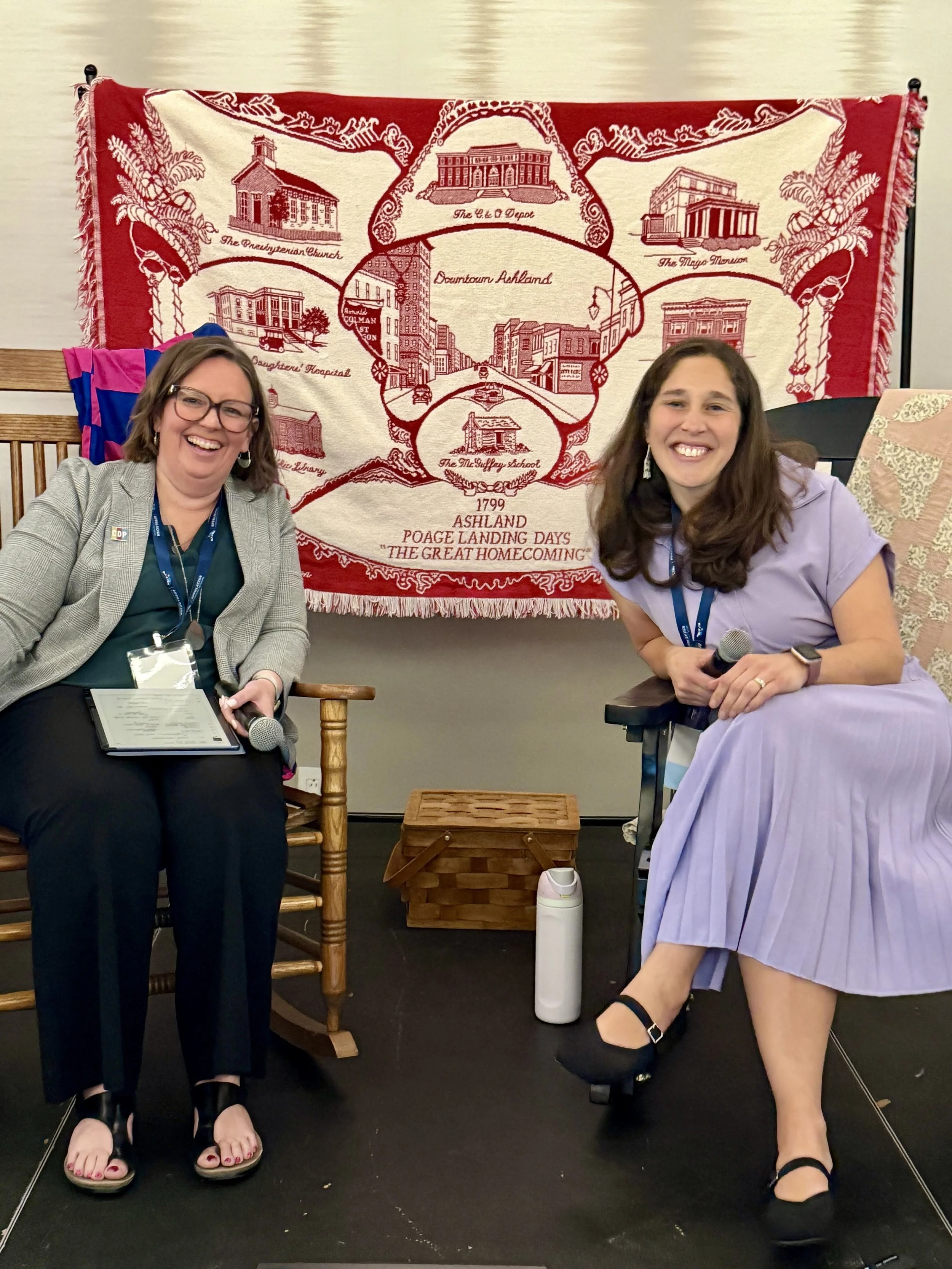
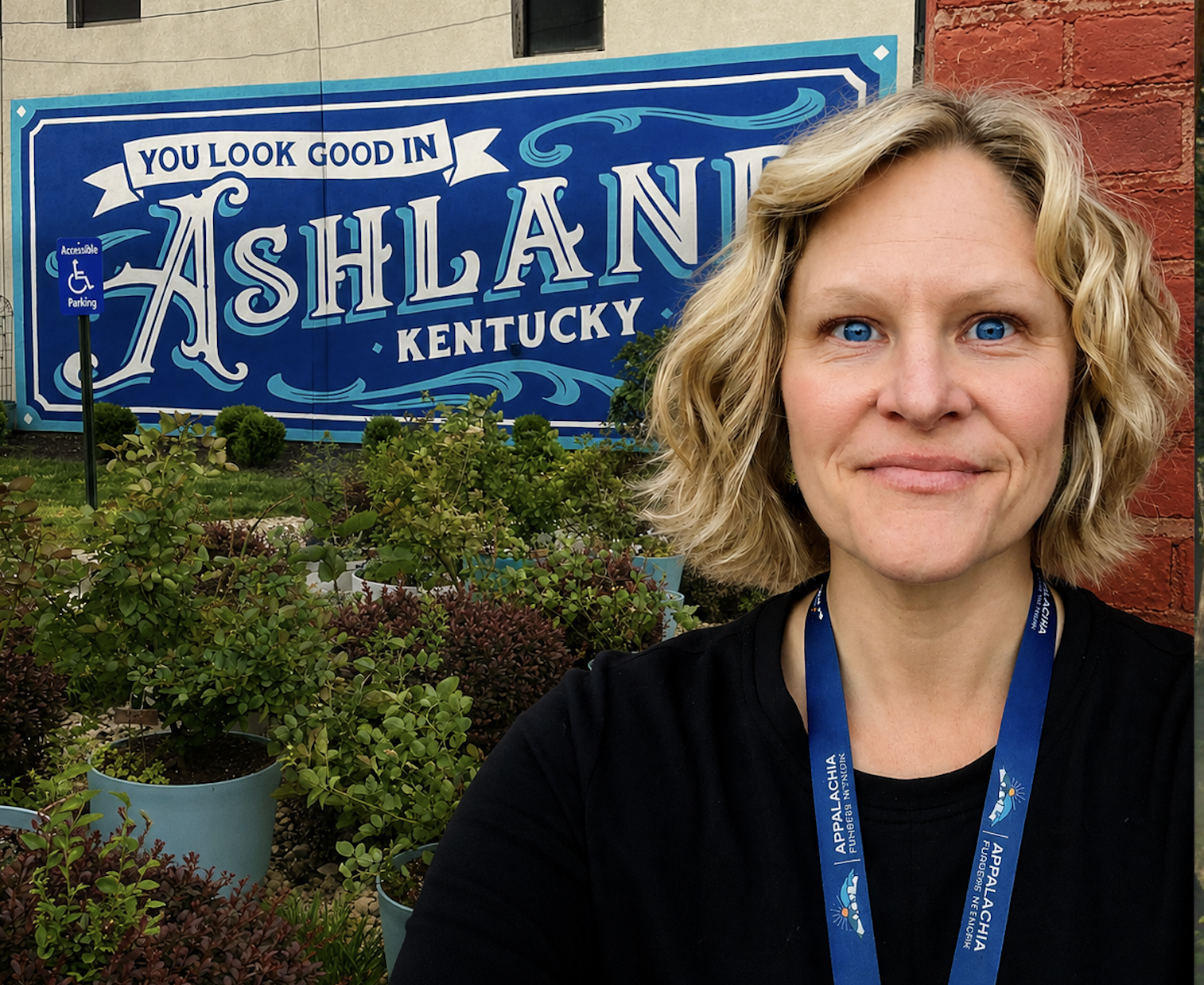
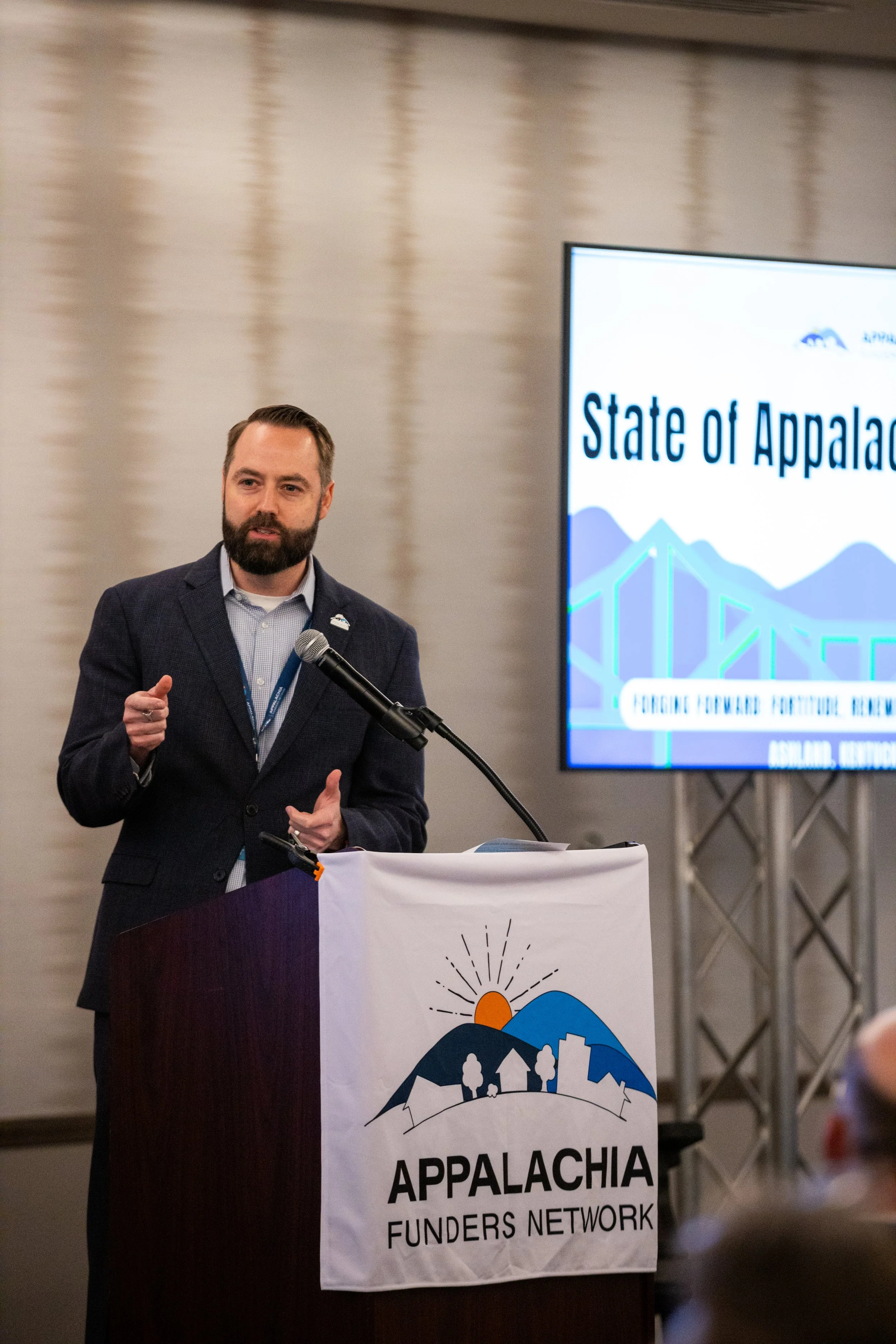
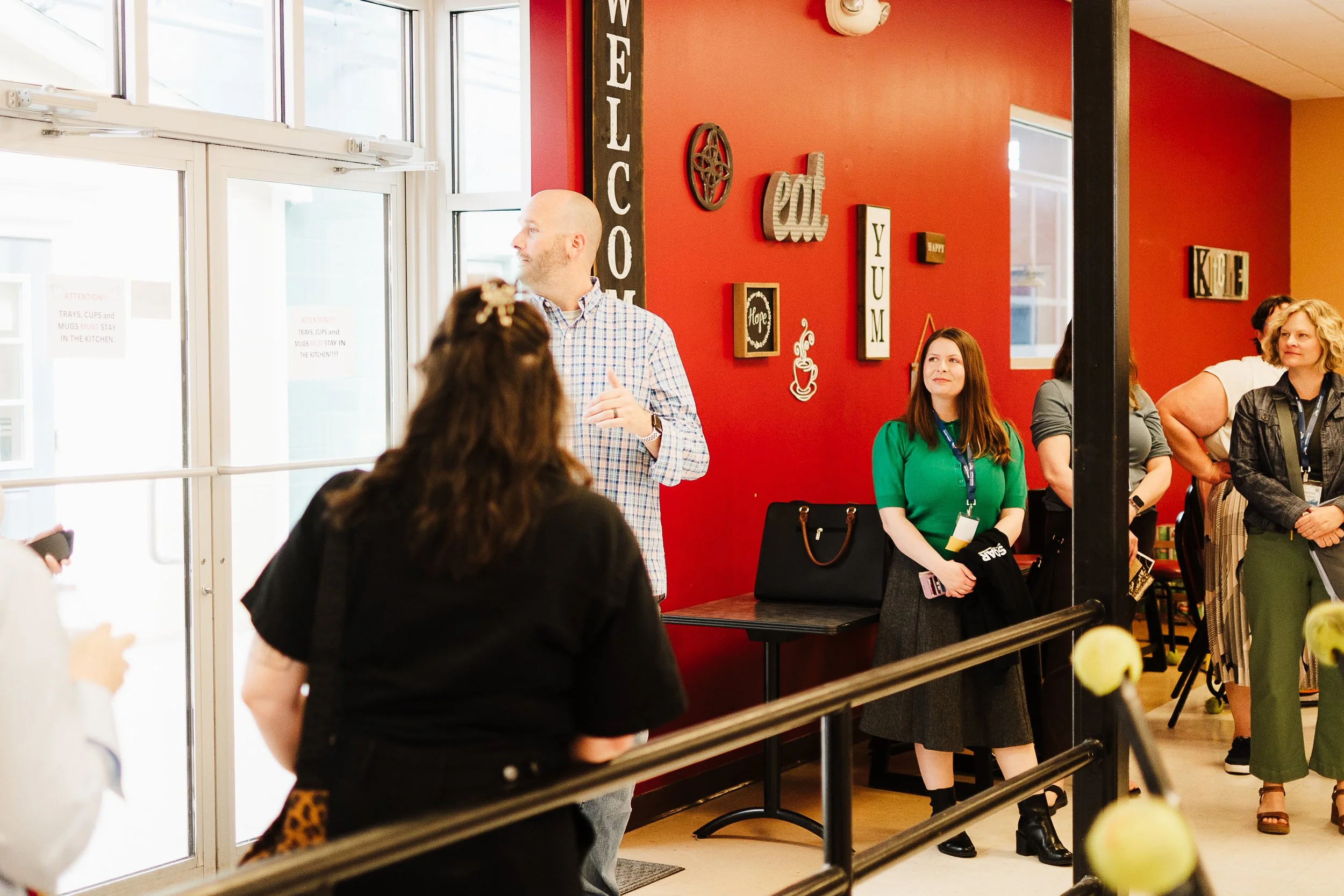
At the Appalachian Funders Network gathering in Ashland, KY, this April, Executive Director Ryan Ehler offered a simple observation that has stayed with me: "Belonging is not a soft outcome – it’s the key to civic engagement. When people feel they belong to a place, they show up. They lead. They invest.”
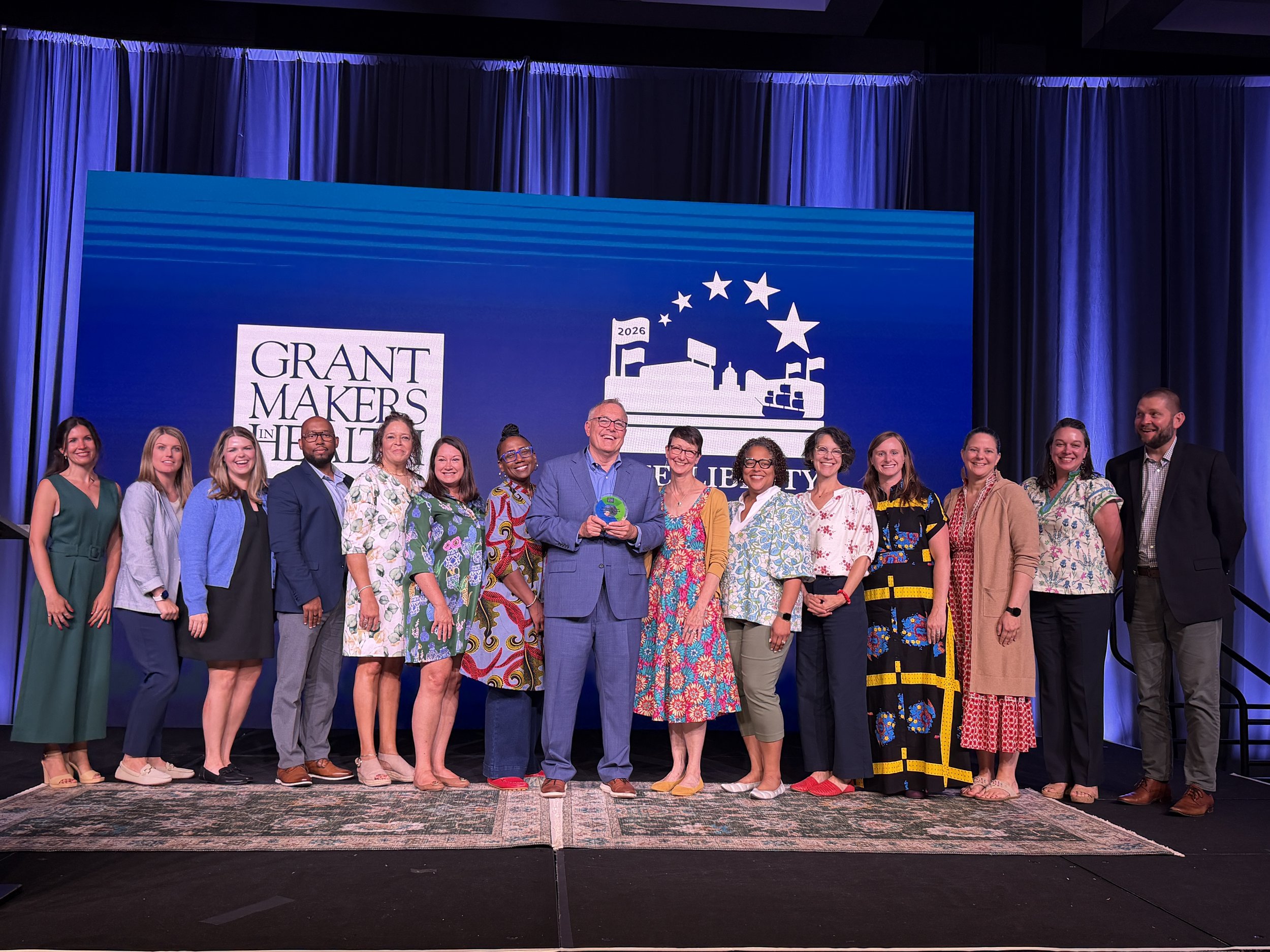
In June, at the Grantmakers in Health conference in Baltimore, MD, the conversation returned again and again to another truth: health is shaped in our neighborhoods, our schools, our workplaces, our relationships, and the opportunities available to us long before someone ever needs medical care.
Cara V. James, President and CEO of Grantmakers in Health, challenged attendees to become ‘radical collaborators,’ reminding us that "relationships are at the root of all collaborative efforts."
Listening to leaders from across the country, I realized they were all describing different parts of the same process. Belonging creates trust. Trust enables collaboration. Collaboration improves health. And healthy communities strengthen democracy.
The work of improving community health cannot be done by organizations working in isolation. I've seen these same lessons reflected here in Western North Carolina. Our nonprofit partners consistently point to collaboration, shared resources, flexible funding, and supportive public policy as the conditions that allow their organizations and, in turn, the people they serve, to prosper.
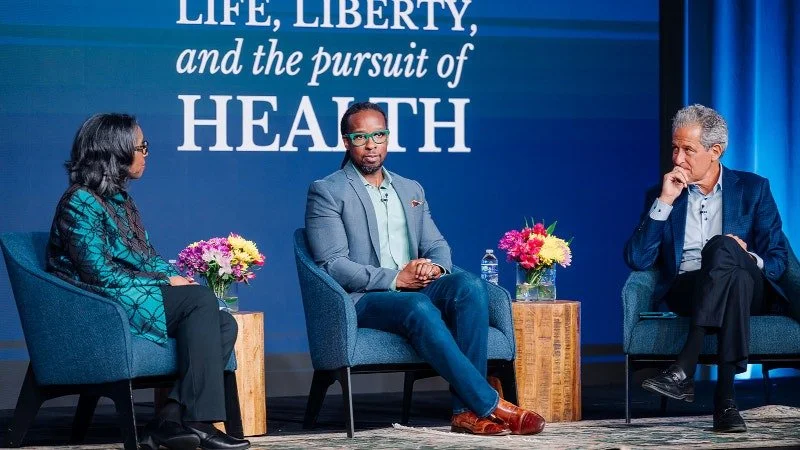
In the aftermath of Hurricane Helene, I watched those ideas come to life as neighbors crossed political, socioeconomic, and racial divides to care for one another. It reminded me that belonging isn't just something we talk about—it is something we build over time, and its strength is revealed in moments of crisis. That experience made a conversation between historian Ibram X. Kendi and Richard Besser, President and CEO of the Robert Wood Johnson Foundation at Grantmakers in Health, resonate even more deeply: "You can't have health without a healthy democracy."
Belonging is how a democracy practices health.
Research increasingly supports this idea. In 2023, the U.S. Surgeon General identified social connection as a public health priority, linking loneliness and isolation to higher risks of heart disease, stroke, depression, dementia, and premature death. Communities with stronger social trust consistently experience better health, greater resilience, and higher civic participation.
Belonging isn't simply about feeling included. It shapes whether people trust institutions, seek healthcare, put down roots, participate in civic life, and care for one another in times of crisis.
Belonging is the condition that allows every other social investment to work.
Organizations rooted in their communities are often best positioned to identify emerging needs and respond quickly. Effective philanthropy is not simply about distributing resources–it is about trusting the people closest to the challenges to help shape the solutions.
Gladys Vega, President and CEO of La Colaborativa in Chelsea, Massachusetts, and recipient of the Andy Hyman Advocacy Award at Grantmakers in Health described how, during the COVID-19 pandemic, funders shifted from directing solutions to asking communities what they needed. As she put it: "What makes all the difference is funders trusting community wisdom."
Whether in philanthropy, government, or community organizations, lasting change begins by trusting the people closest to the challenges to help shape the solutions. Belonging isn't just about who is invited into the room—it's about whose voices are heard, whose experiences are valued, and whose leadership is trusted.
Our policies and our investments shape whether people trust one another, participate in civic life, and believe they have a stake in their communities. America's history reminds us that progress is neither inevitable nor permanent; it is built, generation after generation, by people willing to widen opportunity and strengthen the common good.
The next chapter of our history will be written by communities courageous enough to center belonging as a core value. As we begin the next 250 years, that feels like one of the most hopeful investments we can make.